THE
WATCHMAN
When the storm gathers, someone must sound the alarm. Remembering Sir Winston Churchill, Britain's darkest hour, and the vigilance that keeps a free people free.
— Ezekiel 33:6 (KJV, excerpt)
The publisher advertises the booklet free of charge. Availability and fulfilment are determined by The Trumpet.
The Man Who Saw the Storm Coming
There is something wonderfully reassuring about the British capacity to produce, at precisely the moment when a nation appears to have lost its way, a man who refuses to believe that surrender is a reasonable alternative to survival.
Winston Spencer Churchill was such a man. In the uneasy years before the Second World War, when Europe was drifting towards catastrophe and the comfortable gentlemen of Westminster preferred the language of peace to the uncomfortable business of preparing for war, Churchill saw what others seemed determined not to see.
Across Germany, Adolf Hitler was assembling the machinery of conquest. Yet those entrusted with Britain's security continued to hope that diplomacy might somehow persuade a dictator to abandon his intentions. Churchill knew better.
Then came September 1939. The illusion of lasting peace collapsed beneath the weight of German armour. By the summer of 1940, France had fallen and Britain stood beneath the shadow of invasion. Young RAF pilots climbed into Spitfires and Hurricanes. London burned. Coventry suffered. The country endured — and refused to surrender.
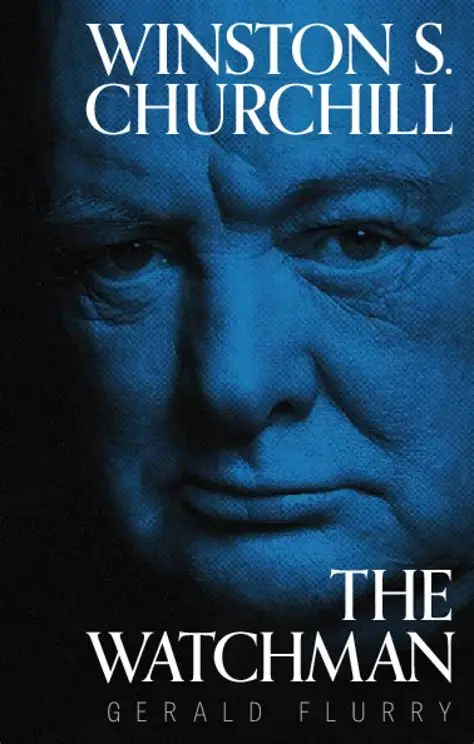
Churchill's legacy is not simply that Britain survived. It is the more unsettling lesson that Britain might have been better prepared had its leaders listened earlier. Gerald Flurry's Winston S. Churchill: The Watchman considers Churchill as a political watchman: a man who recognised danger and warned his countrymen.
Freedom cannot be preserved by nostalgia alone. Patriotism is not merely waving the Union Flag or remembering the fallen — it is the solemn responsibility to defend the liberties for which they fought. From the Battle of Britain to the beaches of Normandy, the Anglo-American alliance demonstrated what free peoples could achieve when courage was joined to common purpose.
And so the question returns, as it must in every generation: when the warning comes, will we have the courage to listen?
Background: AI-generated illustration of the Houses of Parliament.
Britain's Darkest Hour. Its Finest Resolve.
A nation at war — and an enduring Atlantic partnership built around liberty, sacrifice and the defence of democratic life.
The Battle of Britain
RAF fighter crews fought to defend the skies above their country against the Luftwaffe.
The Blitz
British cities suffered night after night of bombing as civilian courage became a defining wartime story.
D-Day
British, American, Canadian and allied forces landed in Normandy to begin the liberation of western Europe.
Watch and Remember
A featured YouTube video presented alongside the story of vigilance and national resolve.
For privacy, this page does not contact YouTube until you choose to play the film. Playback then follows YouTube's own privacy practices.
Open the video directly on YouTube ↗Play the featured film
Privacy-enhanced YouTube player
Follow the Footsteps of History
Independent historical, educational and heritage resources. External links open directly, with no promotional or tracking parameters added by this site.
Remain Vigilant.
Stay Informed.
Receive updates and independent editorial reporting on defence, security, intelligence and the lessons of history.
Independent — Not an Official Affiliation
This independent editorial and historical project draws inspiration from, and offers an independent application of, themes and teachings associated with Herbert W. Armstrong and the Philadelphia Church of God, including the biblical watchman principle. That inspiration does not imply any official connection, approval, shared ministry, or representation. The booklet Winston S. Churchill: The Watchman is authored by Gerald Flurry; its text and cover remain the intellectual property of their respective rights holders. The cover is displayed for identification and commentary, not to imply endorsement.